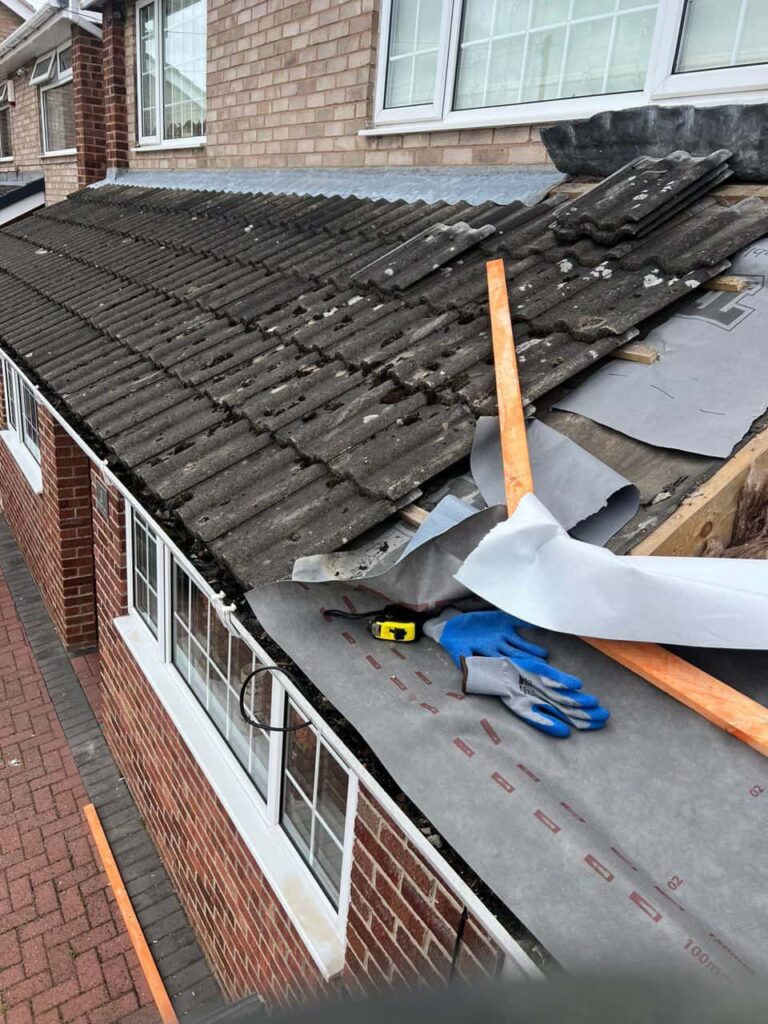
Flat roofs are widely used in both residential and commercial buildings for their practicality and cost-efficiency. However, like any roofing system, they are vulnerable to certain issues over time — one of the most common being blistering. While small blisters may seem like a minor cosmetic flaw, they can quickly lead to larger structural problems if left unchecked.
At LJ Roofing Wantage, we’ve inspected and repaired countless flat roofs across Wantage and Wiltshire, and blistering is one of the most frequent issues property owners encounter. Understanding what causes this problem and how to deal with it promptly can save you from more significant damage in the future.
What Is Flat Roof Blistering?
Blistering occurs when pockets of air, moisture, or gas become trapped between layers of a flat roof system — usually between the felt, bitumen, or membrane layers. These pockets expand under heat and form visible bubbles or raised areas on the roof surface.
Common Signs of Blistering
- Raised, bubble-like formations on the roof membrane.
- Uneven or soft patches underfoot.
- Visible cracks or splits in the blistered area.
- Water pooling near damaged sections.
Even if blisters appear small, they can worsen quickly under sun exposure or heavy rain, eventually leading to leaks and reduced roof performance.
What Causes Flat Roof Blisters?
Flat roof blistering can be caused by a combination of poor installation, weather exposure, or ageing materials. Knowing the main causes helps identify the right repair approach.
Primary Causes Include:
- Trapped Moisture: Water becomes sealed between roof layers during installation or through micro-leaks.
- Poor Ventilation: Lack of airflow prevents trapped vapour from escaping, leading to pressure build-up.
- Inadequate Adhesion: If the bitumen or adhesive doesn’t bond properly, layers may separate under temperature changes.
- Extreme Temperature Fluctuations: Heat expands trapped air or moisture, forming bubbles that enlarge over time.
- Ageing Materials: Over time, bitumen and felt can dry out, crack, and lose their flexibility, encouraging blister formation.
At LJ Roofing Wantage, we use advanced diagnostic tools to determine the root cause before any repair work begins, ensuring lasting results.
Are Flat Roof Blisters Dangerous?
Not every blister indicates immediate danger, but ignoring them can lead to serious consequences. The severity depends on the blister’s size, location, and whether it has compromised the waterproofing layer beneath.
Minor vs Major Blistering
- Minor Blisters: Small and isolated; often manageable with careful monitoring and localised repair.
- Major Blisters: Large, open, or located near seams or joints; these require immediate professional attention.
Once a blister bursts or cracks, it creates a direct entry point for water, which can saturate insulation, damage decking, and even lead to interior damp problems. In short — yes, blistering can become a serious issue if not addressed promptly.
Why You Shouldn’t Ignore Blistering
While flat roof blistering may start small, it rarely remains that way. Over time, environmental stress and moisture penetration can cause blisters to expand, weakening the roofing structure and shortening its lifespan.
Risks of Leaving Blisters Untreated
- Compromised waterproofing and increased leak risk.
- Accelerated roof ageing and cracking.
- Thermal inefficiency due to trapped moisture.
- Potential structural rot in decking and supports.
Addressing the problem early helps preserve both the performance and longevity of your roof. LJ Roofing Wantage offers professional inspection and repair services designed to prevent further deterioration and extend the life of your flat roof.
How Professionals Repair Flat Roof Blistering
Repairing blistering properly requires experience, precision, and the right materials. Attempting a DIY fix may make the issue worse or void your roof’s integrity.
Professional Repair Steps Typically Include:
- Thorough Inspection: Identify the extent and cause of blistering.
- Surface Preparation: Clean and dry the affected area completely.
- Blister Removal: Cut and lift the blistered section carefully to release trapped air or moisture.
- Drying and Reinforcement: Ensure the substrate is dry before reapplying bitumen or adhesive.
- Resealing: Apply new layers of roofing felt or membrane to restore waterproofing.
- Final Coating: Add a protective sealant to enhance weather resistance.
At LJ Roofing Wantage, our repairs are carried out with long-term protection in mind, ensuring the roof remains watertight and durable.
Preventing Future Blistering
While some factors, such as weather exposure, are unavoidable, many causes of blistering can be mitigated with proper maintenance and installation.
Preventative Tips for Homeowners
- Schedule Regular Roof Inspections: Early detection prevents costly repairs.
- Keep Roof Surfaces Clean: Remove debris and standing water to reduce moisture risks.
- Ensure Proper Drainage: Check that gutters and outlets are clear.
- Use Professional Installers: Skilled workmanship reduces the risk of trapped air and poor adhesion.
Consistent upkeep from a trusted team like LJ Roofing Wantage is the best way to protect your investment and ensure your flat roof performs optimally year after year.
When to Call a Professional
If you notice visible bubbles, soft spots, or water ingress, it’s important to seek professional help immediately. The sooner the issue is assessed, the easier and more cost-effective it is to fix.
LJ Roofing Wantage’s experienced flat roofing specialists can quickly diagnose the cause of blistering and carry out tailored repairs that restore both strength and watertightness.
Conclusion
Flat roof blistering is not something to overlook. While it might appear to be a minor defect, it often signals underlying issues that can lead to serious leaks or structural damage if ignored. Professional inspection and timely repair are essential to maintaining the integrity of your roof.
LJ Roofing Wantage in Wantage, Wiltshire, provides expert flat roof inspection, repair, and maintenance services to ensure your property remains protected all year round. If you’ve spotted blistering or early signs of roof damage, our team can help identify the cause and deliver effective, lasting solutions.
Call us on: 01235 428 993
Click here to find out more about LJ Roofing Wantage
Click here to complete our contact form and see how we can help with your roofing needs.