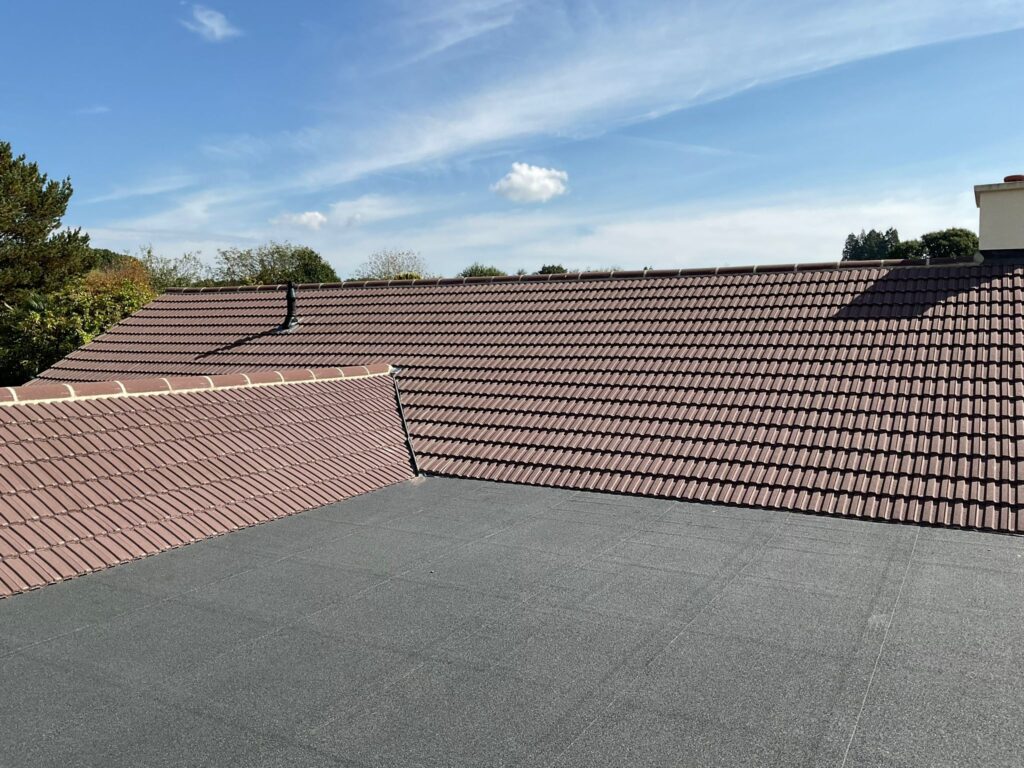
Felt roofing is widely used across flat roofs in both residential and commercial properties, offering a reliable and long-lasting waterproof covering when properly maintained. However, over time, the layers of felt can begin to separate—a process known as delamination. If this is detected early, homeowners in Wantage and the surrounding Oxfordshire area can prevent leaks, structural damage, and more costly repairs later on.
Knowing how to spot the early signs of felt delamination will help you take timely action and keep your roof performing as it should.
What Is Felt Delamination?
Felt delamination occurs when the layers of the roofing felt start to separate from one another or from the substrate beneath. This weakens the waterproofing barrier and gradually allows moisture to penetrate the roof system.
If ignored, delamination almost always leads to leaks, making early detection a key part of maintaining a healthy flat roof.
Raised or Bubbled Patches
One of the most visible early signs of delamination is the appearance of raised or bubbled patches on the roof surface. These areas form when air or moisture becomes trapped between felt layers.
Although they may look minor, these bubbles indicate that the bond between the layers is failing and the waterproofing is becoming compromised.
Soft or Spongy Areas Underfoot
If a flat roof surface feels soft, springy, or spongy when walked on, it can signal early delamination. This softness suggests that moisture has already begun to lift the top layer of felt or saturate the insulation beneath.
This is one of the most important warning signs that action is needed before the structure beneath becomes damaged.
Cracking or Flaking on the Surface
Cracks or surface flaking in the felt can be a sign that the material is ageing and becoming brittle. When the top layer breaks down, the lower layers are more likely to detach, making delamination more likely.
Although cracking does not always mean delamination has begun, it is a strong indicator that the felt system is approaching the end of its effective life.
Water Pooling in Specific Areas
Standing water on a flat roof should always be taken seriously. When water consistently pools in the same place, it can accelerate the breakdown of the felt and weaken the adhesive layers.
If pooling is visible, the roof may already be beginning to delaminate beneath the surface, even if no bubbles or cracks have formed yet.
Changes in the Roof’s Surface Texture
A felt roof should have a fairly uniform texture. If some areas appear uneven, grainy, or irregular compared to the rest of the surface, it may be a sign that layers are lifting or moisture is beginning to spread underneath.
These subtle changes are easy to miss but often indicate early structural issues.
Why Early Detection Matters
Once delamination progresses, water can travel beneath the felt and cause damage to the decking, insulation, and internal structure of the roof.
Spotting the warning signs early allows homeowners to repair or reinforce affected areas before leaks form, helping to extend the life of the roof and maintain the safety of the property.
Conclusion
Early felt delamination can be difficult to spot without knowing what to look for, but recognising these signs before leaks appear can save homeowners from significant damage and disruption. Raised patches, cracking, pooling water, and softness underfoot all suggest that professional attention is needed.
If you suspect your flat roof may be showing signs of delamination, LJ Roofing Wantage in Wantage, Oxfordshire can provide a detailed inspection and expert advice. Contact us today to arrange a visit from our experienced team.
Call us on: 01235 428 993
Click here to find out more about LJ Roofing Wantage
Click here to complete our contact form and see how we can help with your roofing needs.