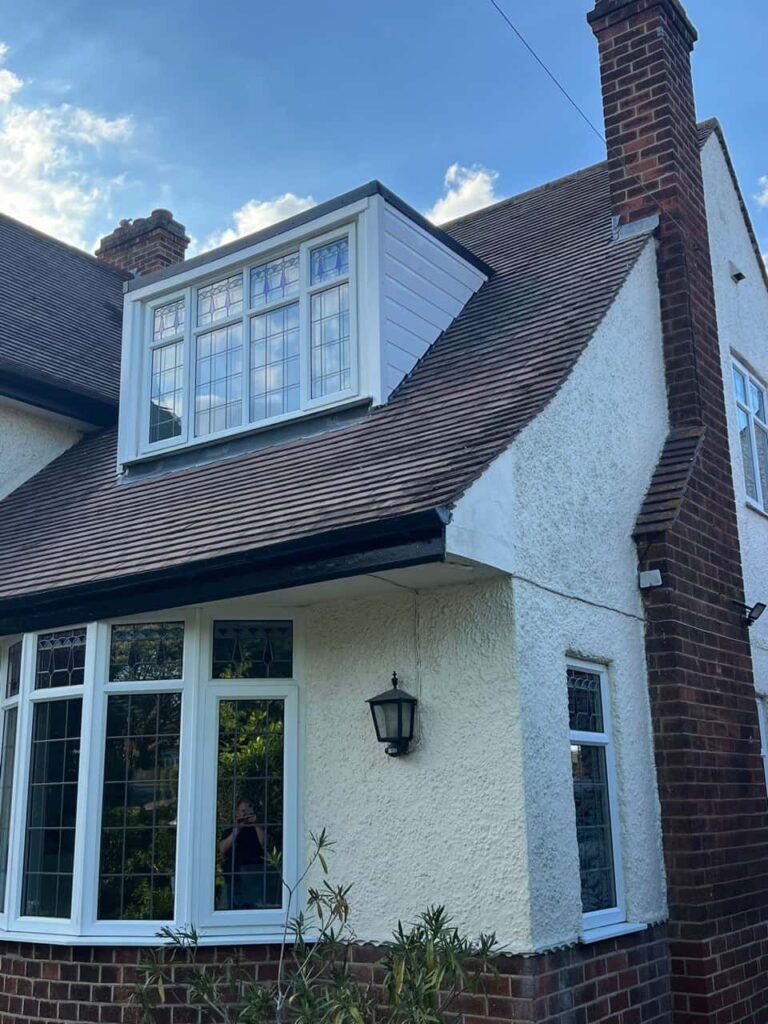
A slipped roof tile can look like a straightforward problem: the tile has moved, so it simply needs to be put back into position. In reality, an effective repair should go further. Roof tiles do not usually move without a reason, and unless that reason is identified, the same tile or neighbouring tiles may become displaced again.
For homeowners in Wantage, Oxfordshire, professional slipped tile repairs should therefore involve assessing both the affected tile and the surrounding roof. Identifying damaged fixings, deteriorated battens, weather-related movement or other underlying weaknesses can help ensure the repair restores reliable protection rather than merely correcting the visible symptom.
Why Do Roof Tiles Slip?
Roof tiles are installed as part of a complete roofing system. Their position depends on the tiles themselves, their fixings, the supporting battens and the condition of the surrounding roof covering.
A tile can move when one or more of these elements no longer provides the support it should.
Common contributing factors include:
- Damaged or deteriorated fixings
- Problems with supporting battens
- Cracked or damaged tiles
- Movement following strong winds
- General ageing of roofing components
- Previous repairs that are beginning to fail
- Movement elsewhere within the roof covering
Finding the cause is important because simply repositioning a tile will not correct a weakness underneath it.
1. Fixings Can Deteriorate
Roof tiles rely on appropriate fixing methods to help keep them securely positioned.
Over a long period, individual fixings can deteriorate or become less effective. Once a tile loses adequate restraint, wind and normal weather exposure can make movement more likely.
If several tiles have started slipping within the same area, the condition of the fixings deserves particular attention.
Professional roofers can assess whether the problem is isolated or whether surrounding tiles may also require closer inspection.
2. Supporting Battens May Need Attention
Tiles are supported by battens beneath the visible roof covering. If a batten becomes damaged or deteriorated, the tile above may no longer sit or secure correctly.
This can be particularly important when a tile repeatedly slips despite having previously been repositioned.
In this situation, the visible tile may not actually be the main problem. Accessing the affected area and examining the supporting components can help determine whether the batten needs attention before the tile is reinstated.
3. Strong Winds Can Displace Vulnerable Tiles
Weather exposure can place considerable pressure on a roof.
Strong winds can affect tiles that are already slightly loose or vulnerable, sometimes lifting or shifting them sufficiently to move them out of their correct position.
After periods of poor weather, a slipped tile may therefore be the first visible indication that a particular section of the roof has been affected.
Rather than assuming only one tile has moved, it is sensible to inspect surrounding areas for additional displacement, cracking or looseness.
4. A Damaged Tile May No Longer Sit Correctly
Sometimes the tile itself is responsible for the problem.
Cracks, broken sections or deterioration around fixing points can prevent a tile from remaining securely positioned. In these circumstances, simply putting the existing tile back may not provide a dependable repair.
The condition of the individual tile should be assessed to determine whether it can be securely reinstated or needs replacing.
Neighbouring tiles should also be checked because damage can occasionally affect more than one component within the same area.
5. Previous Repairs Can Sometimes Become Weak Points
Older roofs may have undergone repairs at different stages of their service life.
A previous repair is not automatically a concern, but if tiles repeatedly move around the same section, the earlier work and surrounding materials should be examined.
A recurring slipped tile suggests that something may still be allowing movement.
The aim of a professional repair should be to determine why the problem is returning rather than repeatedly correcting the same visible symptom.
Why One Slipped Tile Matters
A single displaced tile can appear minor when viewed from the ground, but roof coverings depend on correctly positioned components working together.
When a tile slips, the area it previously protected may become more exposed to rainfall and wind-driven moisture.
The surrounding tiles can also become more vulnerable if their normal arrangement has been disrupted.
Addressing a slipped tile promptly helps restore the intended overlap and protection of the roof covering before deterioration has an opportunity to spread.
Slipped Tiles Can Create Routes for Water
Roof tiles are arranged so that rainfall is directed down and away from the roof.
When one moves out of position, the normal path of water can be interrupted. Moisture may reach areas that would usually remain protected beneath the covering.
This does not always result in an immediate visible leak inside the property. Water can sometimes travel through the roof structure before appearing elsewhere.
For this reason, the absence of an internal damp patch should not be taken as evidence that a slipped tile can safely be ignored.
Several Slipped Tiles May Indicate a Wider Problem
One isolated tile may result from a localised defect.
When several tiles begin moving, however, it becomes increasingly important to assess the wider roof section.
Multiple slipped tiles could suggest that:
- Fixings are deteriorating across an area
- Supporting components need attention
- Weather exposure has affected a larger section
- General deterioration is becoming more widespread
A professional inspection can establish whether individual repairs are sufficient or whether additional remedial work is required.
Look for Other Signs Around the Affected Area
A slipped tile may be accompanied by other visible changes.
From a safe ground-level position, homeowners may notice:
- Uneven tile lines
- Gaps within the roof covering
- Cracked or missing tiles
- Sections that appear lifted
- Debris that has fallen from the roof
- Changes following strong winds
Inside the property, signs such as damp staining or moisture within the roof space can also indicate that the affected area requires attention.
Avoid attempting to inspect the roof closely yourself. Roofing defects are better assessed using appropriate access and professional methods.
Why Repeatedly Repositioning a Tile Is Not Enough
If the same tile keeps slipping, repeatedly returning it to position does not solve the underlying problem.
The tile may have a damaged fixing point, the batten beneath it could be deteriorated, or movement elsewhere may be affecting the section.
A lasting repair needs to answer two questions:
- What allowed the tile to move?
- What needs to be corrected to prevent the problem recurring?
This diagnostic approach is one of the main differences between a temporary adjustment and a professional roof repair.
Surrounding Tiles Should Be Checked Too
Roofing defects rarely need to be considered completely in isolation.
When repairing a slipped tile, checking neighbouring tiles can reveal early signs of looseness, cracking or deterioration that may otherwise remain unnoticed.
This does not mean that extensive work will necessarily be required. Instead, it helps ensure that the repair is based on the condition of the complete affected area.
Identifying nearby weaknesses while carrying out the original repair can help prevent another problem from appearing shortly afterwards.
Early Repairs Can Help Limit Further Deterioration
A slipped tile is generally easier to deal with before prolonged weather exposure affects the area underneath.
Once moisture repeatedly reaches supporting materials, the problem can become more extensive than the original displacement.
Timely professional attention helps protect:
- Surrounding roof tiles
- Battens
- Roofing underlay
- Roof timbers
- Loft areas
- Interior finishes
The objective is to restore the external covering before a small defect begins affecting other parts of the roofing system.
Does a Slipped Tile Mean the Roof Needs Replacing?
No. A slipped tile does not automatically indicate that a roof requires complete replacement.
Where the problem is localised and the surrounding roof remains in serviceable condition, an appropriate repair may be all that is needed.
However, the wider condition becomes more important when tiles are repeatedly slipping or defects are appearing across several areas.
A professional assessment can distinguish between a straightforward local repair and signs of more general deterioration.
What Should Professional Slipped Tile Repairs Involve?
The precise work depends on what caused the tile to move, but a professional approach should focus on more than appearance.
The affected area should be assessed to determine:
- Whether the tile itself is damaged.
- Whether its fixing remains suitable.
- Whether the supporting batten is sound.
- Whether surrounding tiles have moved.
- Whether water has been able to penetrate beneath the covering.
- Whether the defect is isolated or part of a wider pattern.
Once the cause has been established, the appropriate repair can be carried out to restore the integrity of the affected roof section.
Professional Slipped Tile Repairs in Wantage
At LJ Roofing Wantage, we provide professional roof repair services throughout Wantage, Oxfordshire. When dealing with slipped tiles, our focus is on understanding why movement has occurred rather than simply returning the visible tile to position.
By assessing the affected tile, its fixings, supporting components and surrounding roof covering, it is possible to identify the underlying cause and determine the appropriate repair.
Whether you have noticed one displaced tile or several sections beginning to move, prompt professional attention can help restore the roof’s protection and prevent a relatively small defect from becoming more extensive.
Conclusion
A slipped roof tile should be treated as a symptom as well as a defect. While the tile needs to be returned to a secure position, understanding why it moved is essential if the repair is to provide a dependable result.
Deteriorated fixings, damaged battens, strong winds, cracked tiles and wider roof deterioration can all contribute to movement. Checking the surrounding area also helps establish whether the problem is genuinely isolated or whether other components require attention.
For homeowners in Wantage, Oxfordshire, LJ Roofing Wantage provides professional slipped tile repairs focused on identifying the cause and restoring the affected section correctly. If you have noticed a tile that has slipped, moved or repeatedly become displaced, contact our team to arrange an assessment and determine the appropriate repair.
Call us on: 01235 428 993
Click here to find out more about LJ Roofing Wantage
Click here to complete our contact form and see how we can help with your roofing needs.